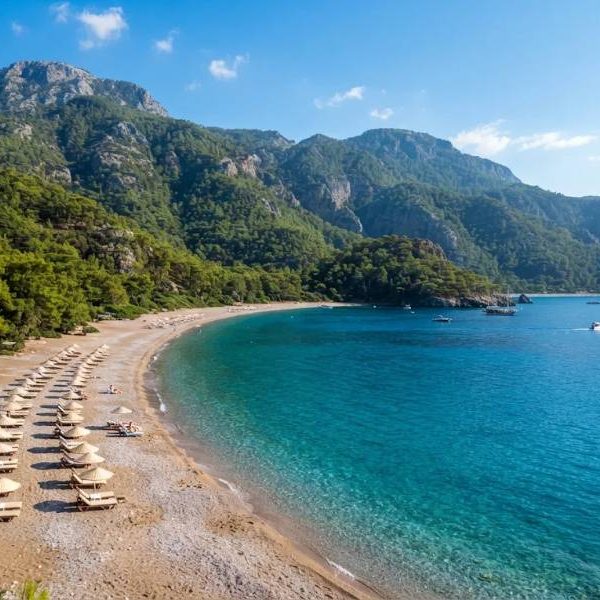
Oludeniz sits on a sheltered lagoon on Turkey's Turquoise Coast, backed by pine covered mountains and a long pebble beach. It draws paragliders, families, honeymooners and walkers, and for good reason. A little planning turns a good trip into a smooth one, especially in the busiest weeks of summer.
These are the practical points that matter most before you book.
The Best Time to Visit
The main season runs from May to October. July and August are hot, often above 33 degrees Celsius, and the beaches are crowded. May, June, September and early October offer warm sea water, lighter crowds and lower prices. Winters are mild but many businesses close, so check opening times if you travel outside the season.
Paragliding conditions are best in the warm months, with the most reliable flights in the morning when winds are calm.
Where to Stay
The area has three main bases. Oludeniz itself has the beach, restaurants and the lagoon, which suits first time visitors. Hisaronu, a short ride away, is livelier, with shops and evening entertainment. Calis and Fethiye are good for those who want more local life and easier transport. Compare locations on a map before booking and check how far the accommodation is from the sea.
Book early for July and August. Read recent reviews, not only the overall score, and look for comments about noise and air conditioning.
Getting There and Getting Around
Most visitors fly to Dalaman airport, roughly an hour's drive from Oludeniz. Transfers can be arranged in advance, and shared minibuses are cheaper than private cars. Local dolmus minibuses run between Oludeniz, Hisaronu and Fethiye at low fares and are a pleasant way to see the area.
Before you travel, check entry rules for your passport. The UK government travel advice for Turkey is a useful example of an official page that covers entry requirements, safety and local laws, and many other governments publish similar guidance.
Things to Do
Blue Lagoon, a protected nature reserve, is among the most photographed spots on the coast. Boat trips visit nearby bays and the Butterfly Valley, which is reached by boat. Walkers can follow parts of the Lycian Way, a long distance trail that passes through the hills above the lagoon. The ghost village of Kayakoy, a short drive away, offers a quiet look at the region's history.
Go early to popular spots, because the light is better and the crowds are smaller.
Language, Menus and Everyday Communication
English is widely spoken in tourist areas, and German and Russian are common as well. Still, a few Turkish phrases are appreciated and often lead to friendlier service. Learn hello, thank you, please and the word for the bill. Translation apps are useful for menus, but double check allergy information in person.
If you buy property, sign a rental contract or need official paperwork, ordinary phone translation is not enough. In those cases, Turkish translation services can prepare accurate, certified versions of contracts and certificates.
Interpreters, Guides and Formal Situations
Travellers sometimes confuse written and spoken language help. A translator works with documents, while an interpreter helps with live conversation, for example at a clinic or a meeting with an estate agent. This explanation of interpreter vs translator shows which one you need in each situation.
Money, Safety and Health
The currency is the Turkish lira. Cards are accepted in most hotels and restaurants, but carry some cash for small shops and markets. Use ATMs inside banks where possible. Tap water is not recommended for drinking, so buy bottled water. Sun protection matters, with high factor sunscreen, a hat and plenty of fluids.
Travel insurance that covers medical care and activities such as paragliding is sensible. Keep copies of your passport and insurance policy separate from the originals.
Eating Well
Turkish cuisine goes well beyond kebabs. Try fresh fish, meze plates, lentil soup, gozleme pancakes and local olive oil dishes. Restaurants along the beach are pleasant but pricier, so walk a street or two back to find local places with lower prices. Breakfast, with cheeses, tomatoes, olives and fresh bread, is often a highlight.
Day Trips Worth the Time
From Oludeniz you can reach Saklikent Gorge, where visitors wade through cold water between steep rock walls, and the ancient city of Tlos, which has Lycian rock tombs and a Roman theatre. Dalyan, with its mud baths and river boat to Iztuzu Beach, makes an easy full day. Organised tours handle transport, but independent travellers can combine buses and taxis for less.
Plan one active day followed by a restful one. The heat can be tiring, and a slower rhythm leaves room for the evenings, when the coast is at its most pleasant.
Respect Local Customs
Dress modestly when visiting mosques and villages, remove shoes where requested and ask before photographing people. Bargaining is normal in markets and is best done with a smile. Tipping around ten percent is customary in restaurants.
Final Checklist
Confirm your passport validity, book accommodation and transfers, buy insurance, download offline maps and learn a few phrases. With the basics covered, you can spend your time on the water, on the trails and at the table, which is what Oludeniz does best.